Compare Outdoor Decking Materials: 2026 Wood vs. Composite Guide
The modern residential landscape has witnessed a fundamental shift in how outdoor spaces are conceptualized and constructed. No longer viewed as secondary appendages to the primary dwelling, decks have evolved into sophisticated architectural platforms that demand the same level of material scrutiny as the interior flooring or structural framing. This evolution is driven by a convergence of material science breakthroughs and a heightened awareness of environmental durability. As homeowners seek to extend their living footprints, the complexity of choosing a substrate that can withstand ultraviolet radiation, fluctuating moisture levels, and mechanical wear has grown exponentially.
The decision-making process is frequently obscured by marketing terminology that promises “maintenance-free” longevity or “natural” permanence. In reality, every material within the exterior built environment exists on a spectrum of entropy. Understanding this spectrum is essential for any property owner or developer aiming to align their aesthetic desires with the brutal realities of local microclimates. The failure to account for variables such as coefficient of thermal expansion or hygroscopic movement—the way wood absorbs and releases moisture—often leads to structural disappointment long before the material’s theoretical lifespan has concluded.
This inquiry moves beyond the surface-level aesthetics of wood grains and color palettes to analyze the fundamental performance characteristics of contemporary decking. By investigating the systemic differences between organic, mineral-based, and synthetic options, we can establish a rigorous baseline for evaluation. The goal is to provide a definitive reference that treats the outdoor deck as a high-performance asset, subject to specific economic and environmental pressures that require a strategic, rather than a reactive, approach to selection.
Understanding “compare outdoor decking materials”
To effectively compare outdoor decking materials, one must first recognize that “quality” is not an intrinsic property of the material alone, but a measure of its fitness for a specific context. A common error in the residential sector is the assumption that a high-cost material is universally superior. However, the performance of a substrate is inextricably linked to its installation environment—factors such as the height of the deck off the ground, the degree of ventilation beneath the joists, and the proximity to salt spray or heavy forest canopy.
Oversimplification in this field typically manifests as a focus on “upfront cost vs. looks.” This neglects the critical reality of maintenance labor and the chemical degradation of binders in composite materials. When we compare outdoor decking materials, we are essentially performing a multi-variable analysis of durability, thermal retention (how hot the deck gets in the sun), and slip resistance. For instance, a PVC deck may offer exceptional moisture resistance but can reach surface temperatures that make it unusable in arid, high-sun regions without shading.
Furthermore, the comparison must account for “systemic compatibility.” A decking material is only as resilient as its fastening system and the substructure supporting it. Placing a 50-year mineral-based deck board on a standard pressure-treated pine frame that may rot in 15 years creates a structural mismatch that negates the long-term value of the premium material. True comparison requires looking at the deck as a total assembly.
The Historical and Systemic Evolution of Outdoor Platforms
The journey of the outdoor deck began with the utilitarian porch, primarily constructed from old-growth hardwoods or rot-resistant softwoods like Western Red Cedar and Redwood. These materials relied on high concentrations of natural tannins and oils to ward off decay. As old-growth forests became protected and scarce, the industry pivoted toward pressure-treated (PT) lumber, using chemical salts like Chromated Copper Arsenate (CCA)—and later safer alternatives—to turn fast-growing, vulnerable pine into a durable outdoor product.
The 1990s introduced the first generation of wood-plastic composites (WPC), a marriage of wood sawdust and recycled plastics. These early iterations were prone to “mushrooming” around screws and significant fading, but they set the stage for the “Capped” technology we see today. In 2026, we have entered the era of Mineral-Based Composites (MBC) and advanced PVC, which aim to eliminate the organic components entirely to prevent mold and thermal movement. We have moved from managing nature to attempting to engineer it out of the equation.
Conceptual Frameworks for Material Selection
To navigate the vast array of options, professional specifiers often utilize specific mental models:
-
The Entropy-Maintenance Trade-off: This framework posits that the more “natural” a material is, the more energy (maintenance) must be injected into the system to prevent it from returning to its base state (soil).
-
The Thermal Mass Model: This evaluates how a material stores and radiates heat. Dense tropical hardwoods and certain dark composites act as heat sinks, which can influence the microclimate of the home’s interior and the comfort of the outdoor space.
-
The Life-Cycle Sustainability Loop: This considers not just the “recycled content” of a board, but its end-of-life reality. Can the material be repurposed, or will it persist in a landfill for centuries?
Detailed Categorization of Decking Substrates
A rigorous analysis requires breaking down the market into its core chemical and physical categories.
| Material Category | Composition | Primary Benefit | Significant Drawback | Lifespan |
| Pressure-Treated | Softwood + Chemicals | Lowest initial cost | Prone to warping/splintering | 10–15 Years |
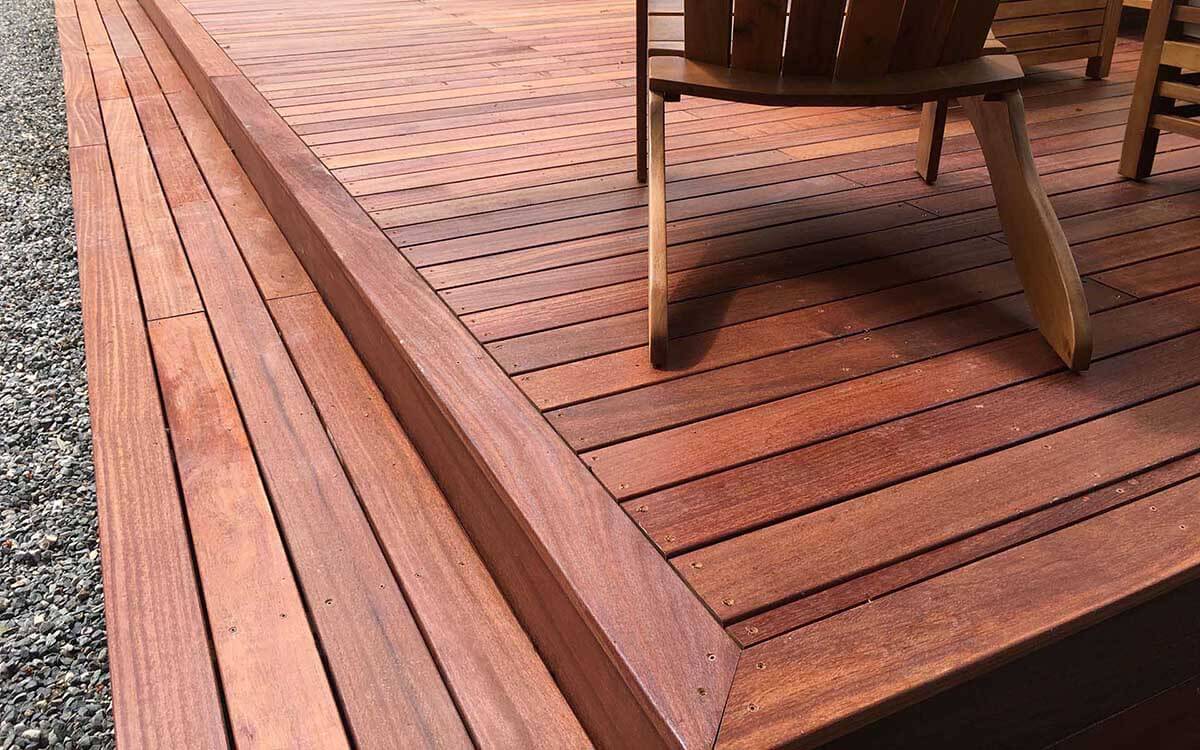
| Tropical Hardwood | Ipe, Cumaru, Garapa | Extreme density/beauty | High labor cost; ethical sourcing | 40–70 Years |
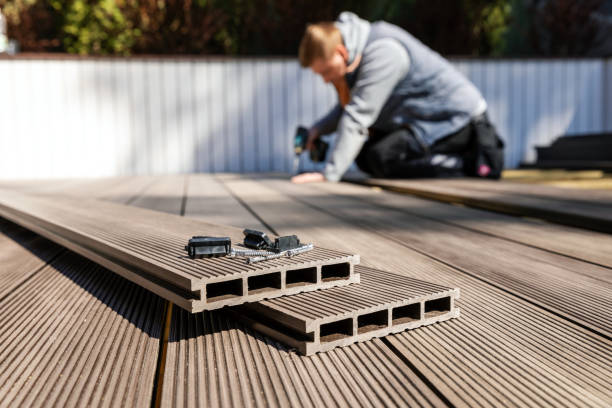
| Capped WPC | Wood fiber + PE plastic | Low maintenance; color | Can retain heat; organic core | 25–30 Years |
| Capped PVC | 100% Polymer | Best moisture resistance | Less rigid; higher expansion | 30–50 Years |
| Mineral Composite | Mineral dust + Polymer | High stability; no rot | Premium pricing; heavy | 50+ Years |
| Aluminum | Powder-coated metal | Fireproof; lightweight | Industrial aesthetic; cost | 60+ Years |
Decision Logic: The “Value” Intersection
The choice often comes down to the “Labor vs. Material” ratio. For a property owner who intends to sell within five years, pressure-treated lumber provides the best immediate return on investment. For a “forever home,” the high upfront cost of Ipe or Mineral Composites is amortized over decades of avoided sanding and staining.
Real-World Scenarios and Environmental Stressors
Scenario A: The Low-Elevation, High-Moisture Site
Decks built close to the ground (less than 12 inches of clearance) face a constant upward vapor drive. Organic materials like wood or wood-filled composites often fail here due to “cupping” as the bottom of the board stays wet while the top dries.
-
Strategy: Utilize 100% PVC or Mineral Composites with joist tape on every framing member.
Scenario B: High-UV Arid Climates
In regions like the American Southwest, UV radiation is a more significant threat than moisture. It breaks down the lignin in wood and the polymers in low-quality plastics.
-
Strategy: Select materials with high-quality UV inhibitors (ASA caps) or lighter-colored hardwoods that won’t reach blistering temperatures.
The Economic Architecture: Cost, Value, and Opportunity
When we compare outdoor decking materials, the “sticker price” is often the most misleading metric.
Comparative Project Cost (Per 100 Sq. Ft.)
| Item | Economy (PT Pine) | Mid-Range (Composite) | Premium (Ipe/Mineral) |
| Material Cost | $500 – $800 | $1,500 – $2,500 | $3,500 – $5,000 |
| Fastener Systems | $100 | $300 | $500 |
| Specialized Labor | $800 | $1,200 | $2,500 |
| Total Initial | $1,400 – $1,700 | $3,000 – $4,000 | $6,500 – $8,000 |
The Opportunity Cost of Maintenance: Over 20 years, a wood deck will require approximately $4,000–$6,000 in professional staining and cleaning. A composite deck will require approximately $500 in cleaning supplies. This “maintenance delta” is the true economic driver of the industry.
Risk Landscape: Failure Modes and Compounding Issues
The failure of a deck board is rarely an isolated event. It is usually the result of “Systemic Friction.”
-
Thermal Expansion Incompatibility: PVC decking expands and contracts significantly more than the wood joists it is attached to. If the fastening system doesn’t allow for this “slide,” the boards will eventually shear the screws or buckle.
-
Microbial “Creep”: In wood-filled composites, if the “cap” (the protective outer layer) is scratched, moisture can reach the internal wood flour, leading to internal rot that is invisible from the surface until the board collapses.
-
Galvanic Corrosion: Using the wrong screws (e.g., standard steel with ACQ-treated lumber) leads to a chemical reaction that “eats” the fastener, leading to catastrophic structural failure.
Governance and Long-Term Asset Maintenance
A successful deck strategy requires a “Lifecycle Governance” plan:
-
Semi-Annual Debris Removal: Organic matter trapped in the gaps between boards prevents airflow and creates a “bridge” for rot.
-
Structural Integrity Audit: Checking “ledger board” connections to the house—this is the most common point of total collapse.
-
Fastener Torque Check: For wood decks, screws “pop” as wood shrinks; they must be reset or replaced to maintain the tension of the system.
Common Misconceptions and Industry Myths
-
“Composites are Maintenance-Free”: No exterior material is maintenance-free. Pollen, dirt, and mold can still grow on the surface of a plastic board; they just won’t eat into it.
-
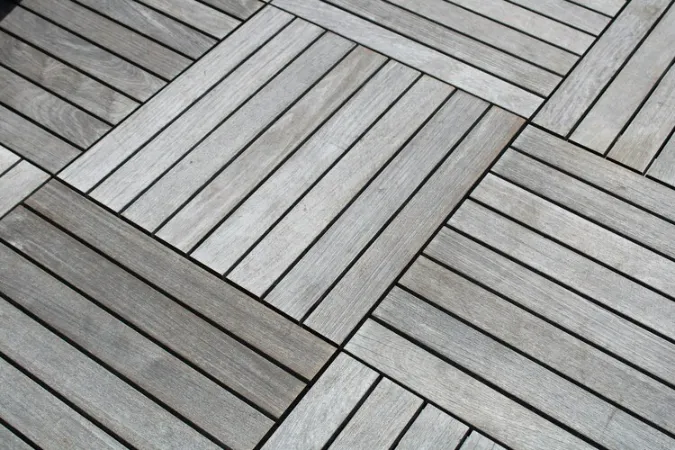
“Ipe lasts forever without help”: While Ipe won’t rot, it will turn a silver-grey and develop “checking” (small surface cracks) if not oiled periodically.
-
“Hollow boards are just as good as solid”: Hollow-profile composite boards save money but can trap water and insects inside the channels, and they are generally less impact-resistant.
Final Synthesis and Strategic Judgment
The decision to compare outdoor decking materials is ultimately a study in balancing the human desire for organic warmth with the engineering requirement for environmental resilience. In 2026, the “best” material is defined by its ability to disappear into the background of a homeowner’s life—providing a reliable surface that does not demand constant financial or physical attention.
While natural hardwoods remain the gold standard for pure architectural prestige, the technological advancements in Mineral Composites and PVC have created a new tier of “Performance Luxury.” The strategic property owner recognizes that the deck is a living system. By selecting a substrate that aligns with the local environment and the long-term maintenance capacity of the household, one can ensure that the outdoor space remains a source of value rather than a burden of upkeep. Intellectual honesty in this sector means acknowledging that every choice involves a compromise; the key is choosing the compromise you can live with for the next thirty years.